Sailing, terminal and available space
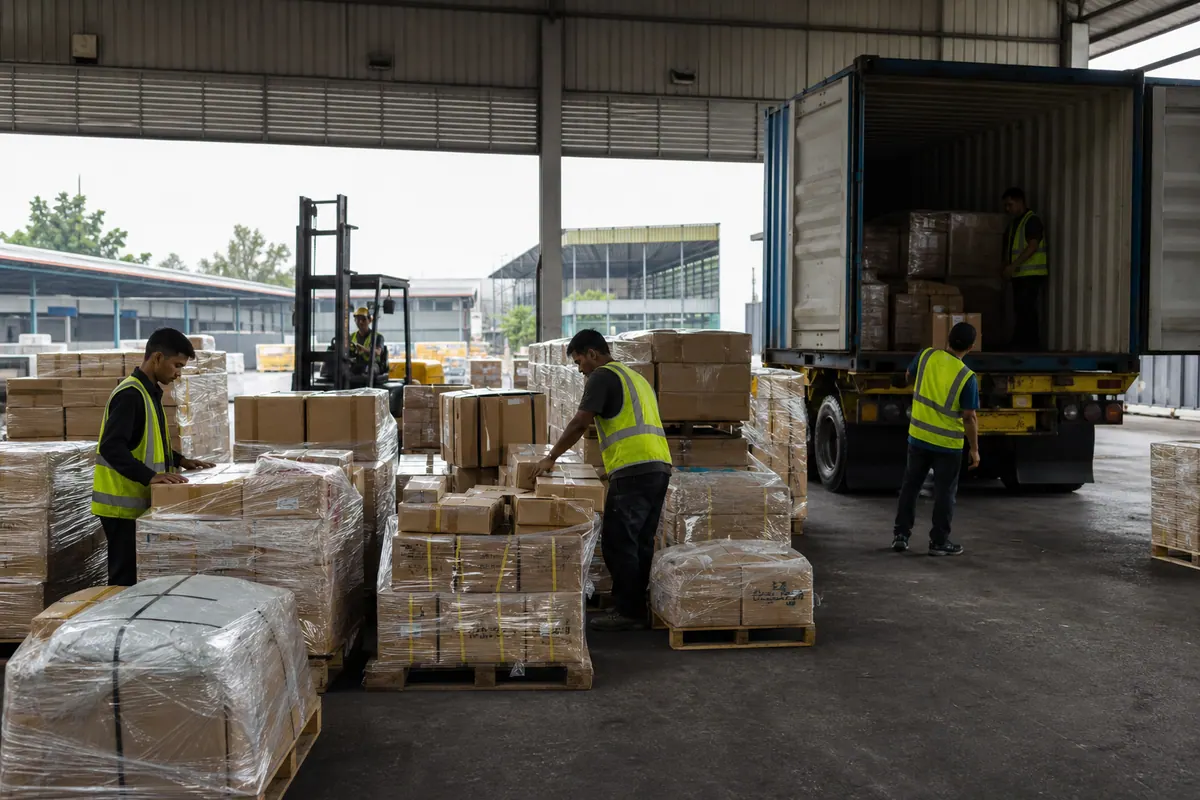
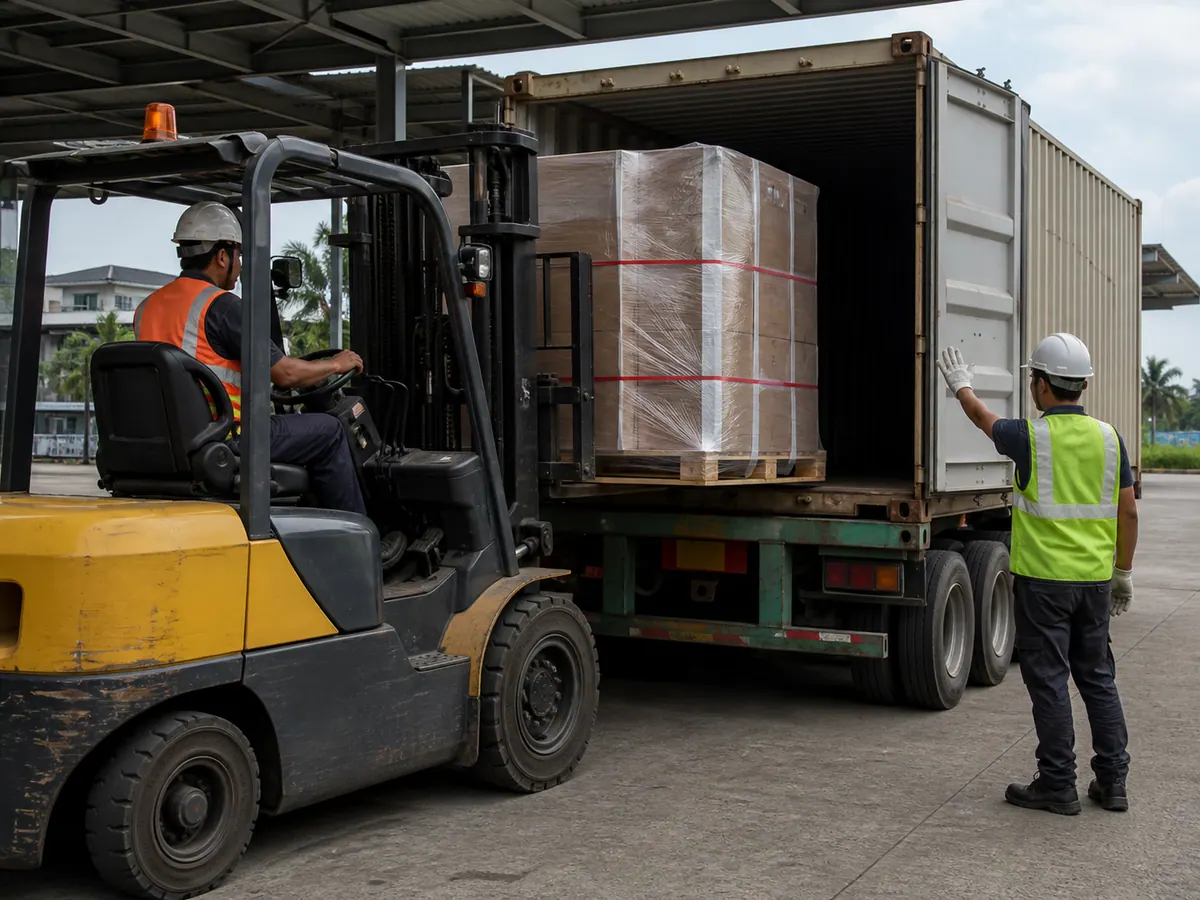
Ask for the actual origin handoff, destination coverage, sailing window, cutoff, estimated transit basis and space confirmation.
- Route and terminal
- Schedule and cutoff
- Space and transit basis

A practical planning centre for household goods, commercial cartons and palletised cargo. Build the facts first; route, acceptance, schedule and price are confirmed separately.
Origin, destination and handoff needs change the questions operations must answer. These guides help you prepare without claiming a live route.
Photographs, final packed dimensions and a unit count are more useful than a broad label such as “household goods” or “stock”.

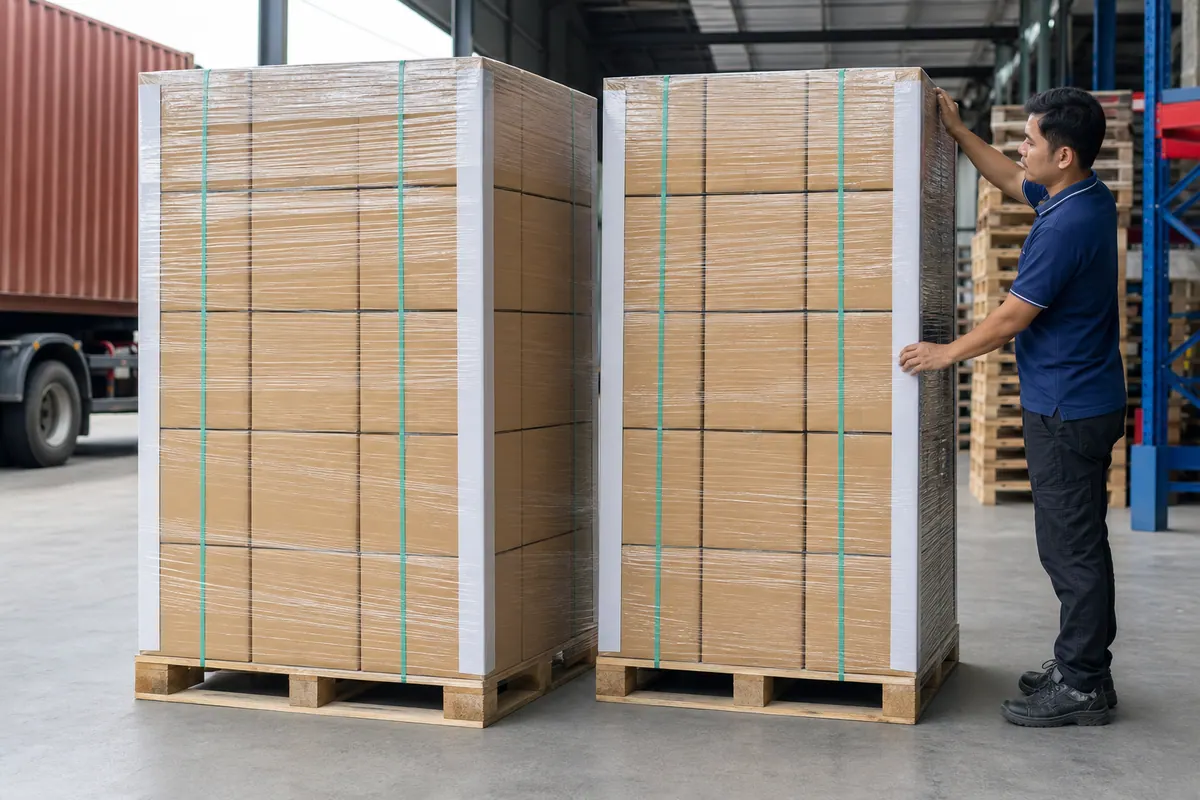
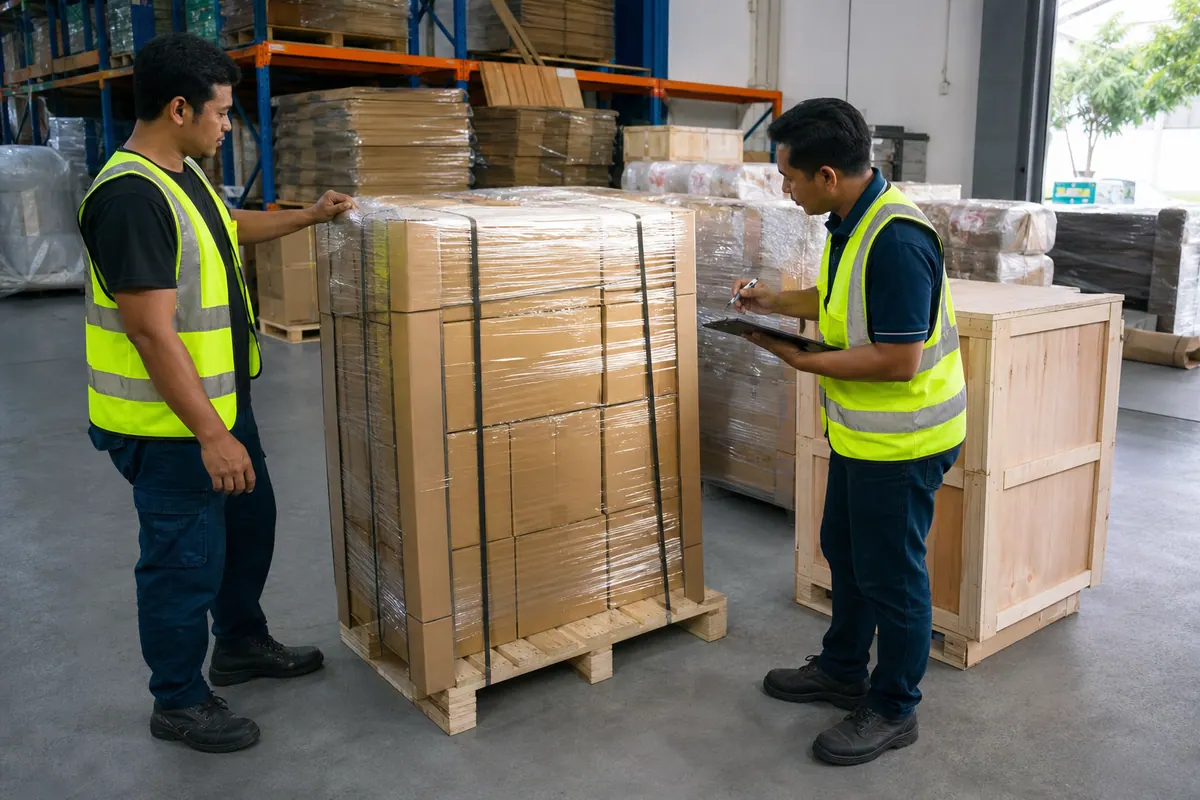
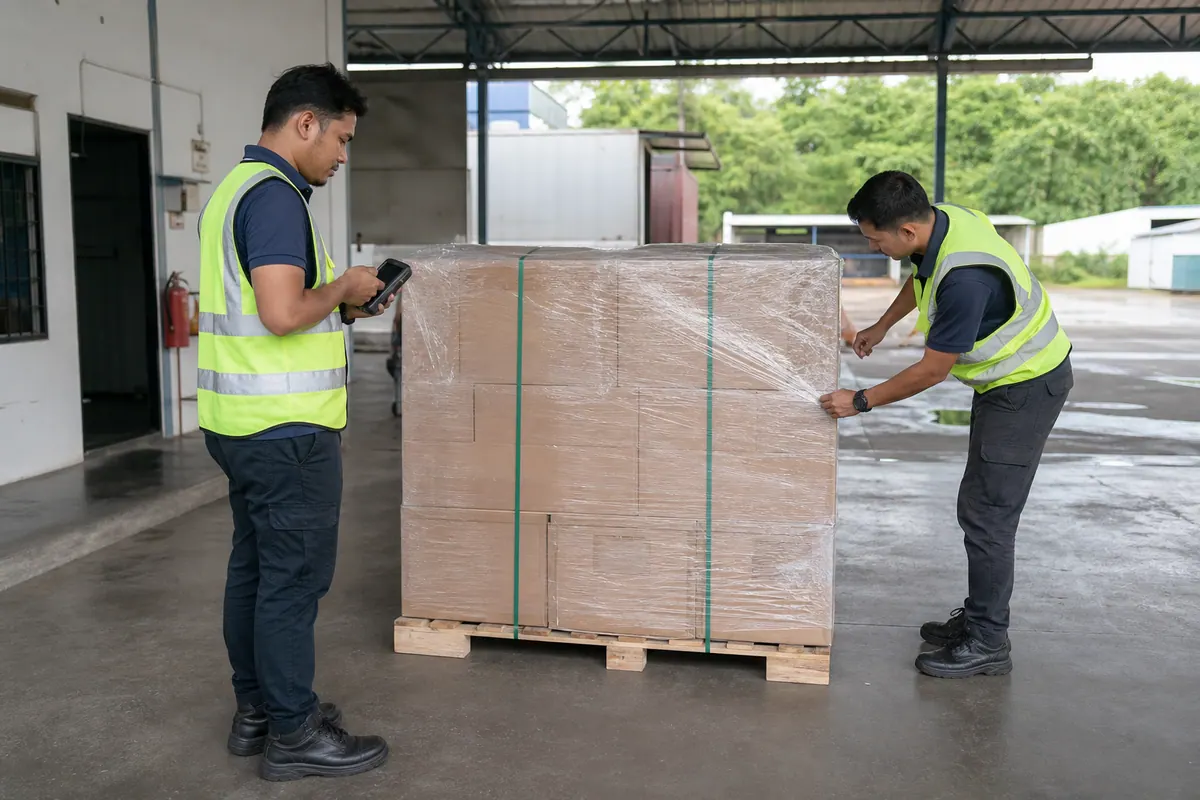
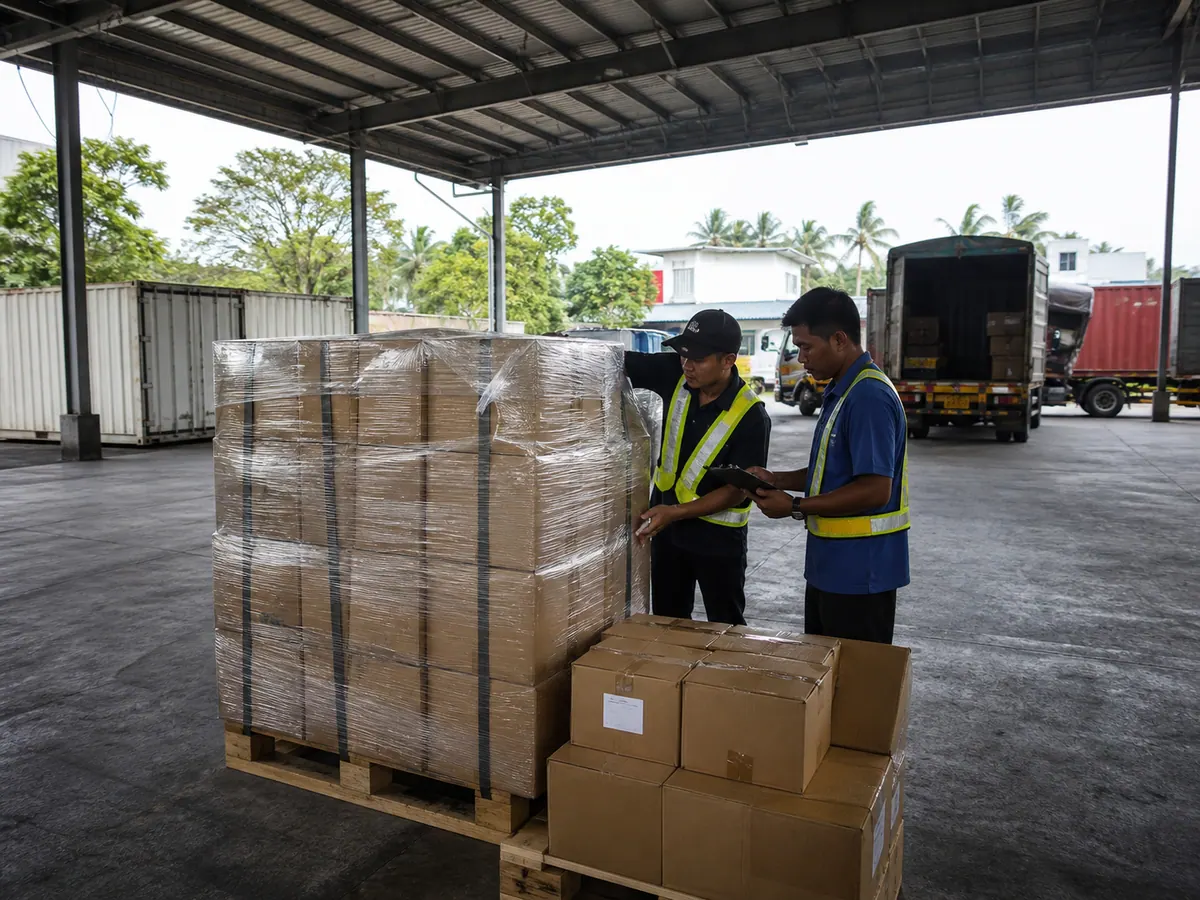
Count cartons per pallet, final footprint, gross weight and any loose units.
→
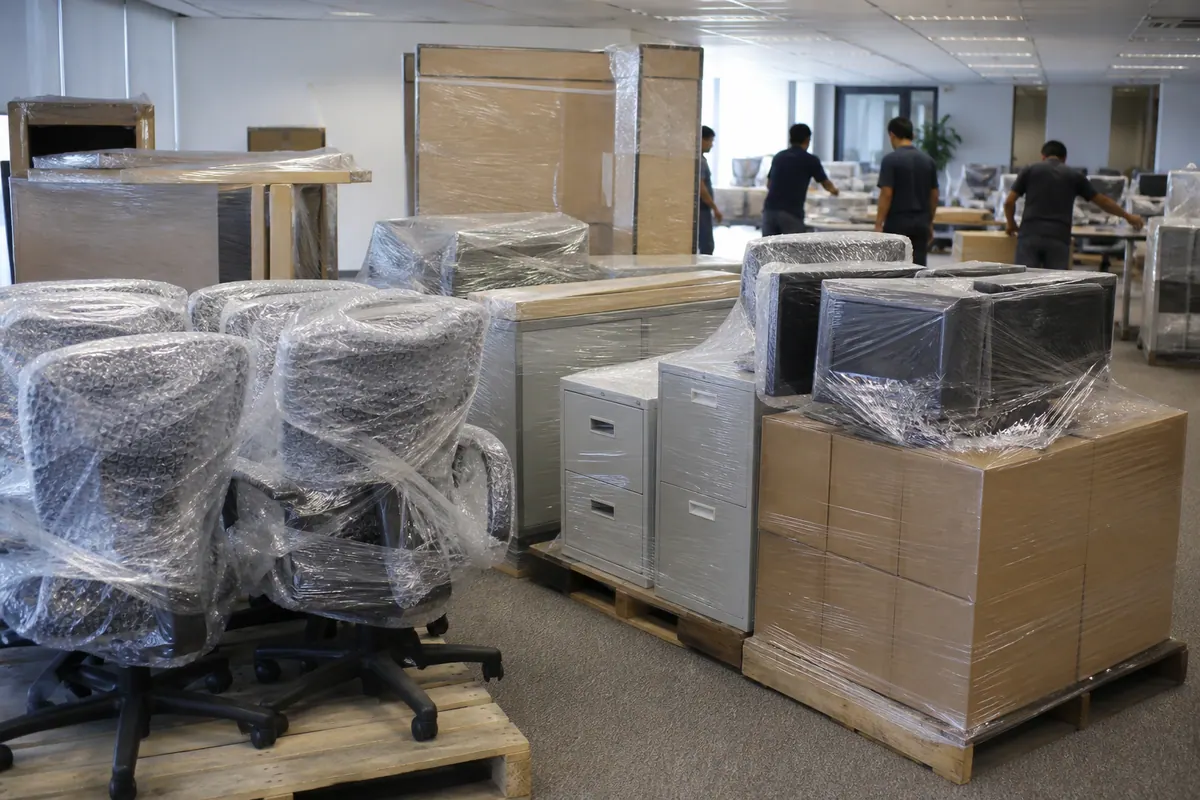
Number every wrapped item and box; flag fragile, heavy and irregular pieces.
→
Record dismantled furniture, protected equipment and the packed condition.
→
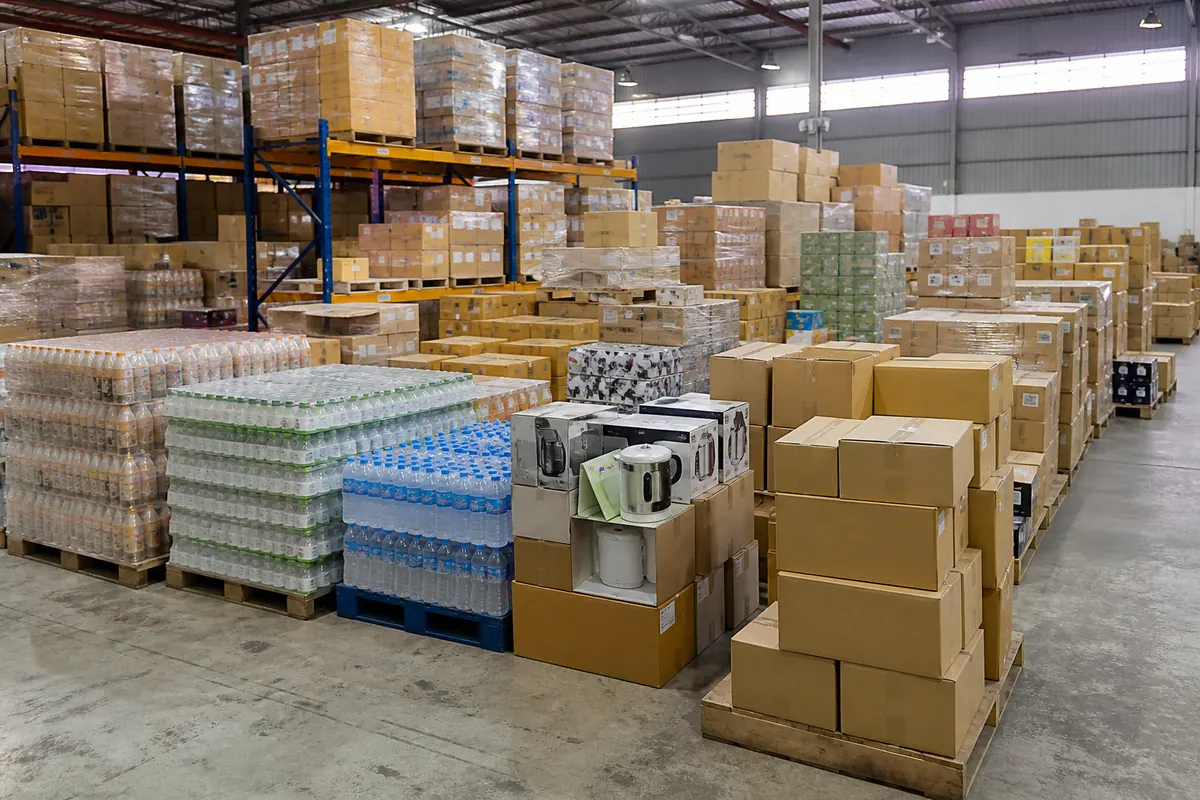
Describe the actual goods in plain language; do not hide them behind “general cargo”.
→The right discussion starts with packed volume, total weight, handling units and access constraints—not with a method guessed from a keyword.

Useful when the packed load does not require a whole container. Consolidation, minimums and acceptance still need confirmation.
↗
Useful when control, load plan or volume points toward one container. Equipment and loading rules still need confirmation.
↗Route, warehouse support and handoff tools can vary by cargo and location. Treat each item below as a confirmation question, not an included promise.

Ask for the actual origin handoff, destination coverage, sailing window, cutoff, estimated transit basis and space confirmation.

Confirm whether palletising, crating, repacking, relabelling, fumigation or temporary storage is available, suitable and separately charged.

Ask how shipment references, status updates, document checks, customs support and pickup or delivery scope will be handled.
This sequence mirrors a real cargo conversation while leaving every operational promise for verification.

Name the cargo and count each box, pallet or wrapped item.

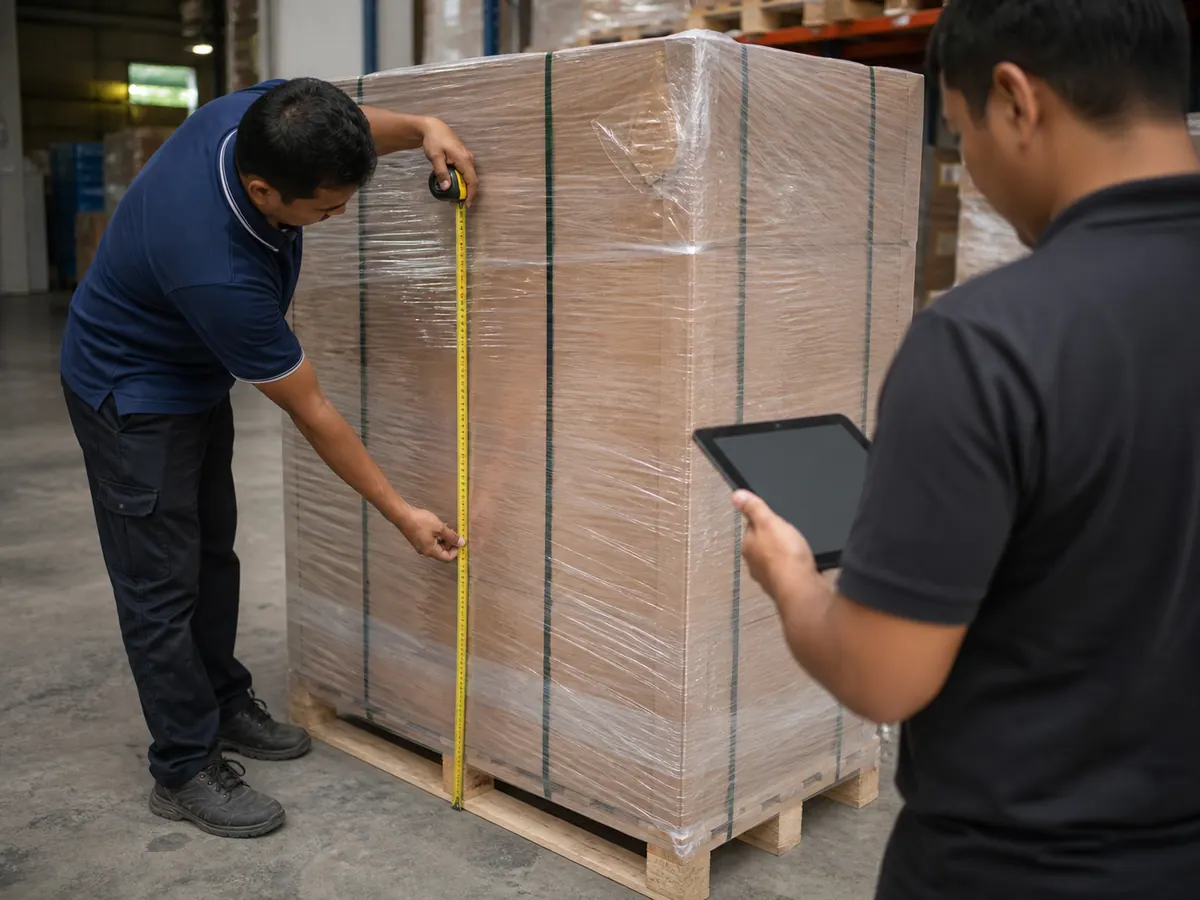
Use the final protected state before measuring.

Capture length, width, height and quantity for each unit type.

Record every closed package and any fragile or irregular point.

List what is available without guessing what is mandatory.

Confirm access, equipment, stackability and restriction questions.

Method, booking and loading arrangement must be confirmed first.

Check package count and visible condition at destination handoff.
Name the movement you actually need. Pickup and delivery remain separate items until they are confirmed.
You arrange delivery to the confirmed origin handoff and collection at destination.
An origin pickup is reviewed separately; destination collection remains yours.
You deliver to origin handoff; destination delivery is reviewed separately.
Both land legs and the sea leg must be explicitly scoped and confirmed.
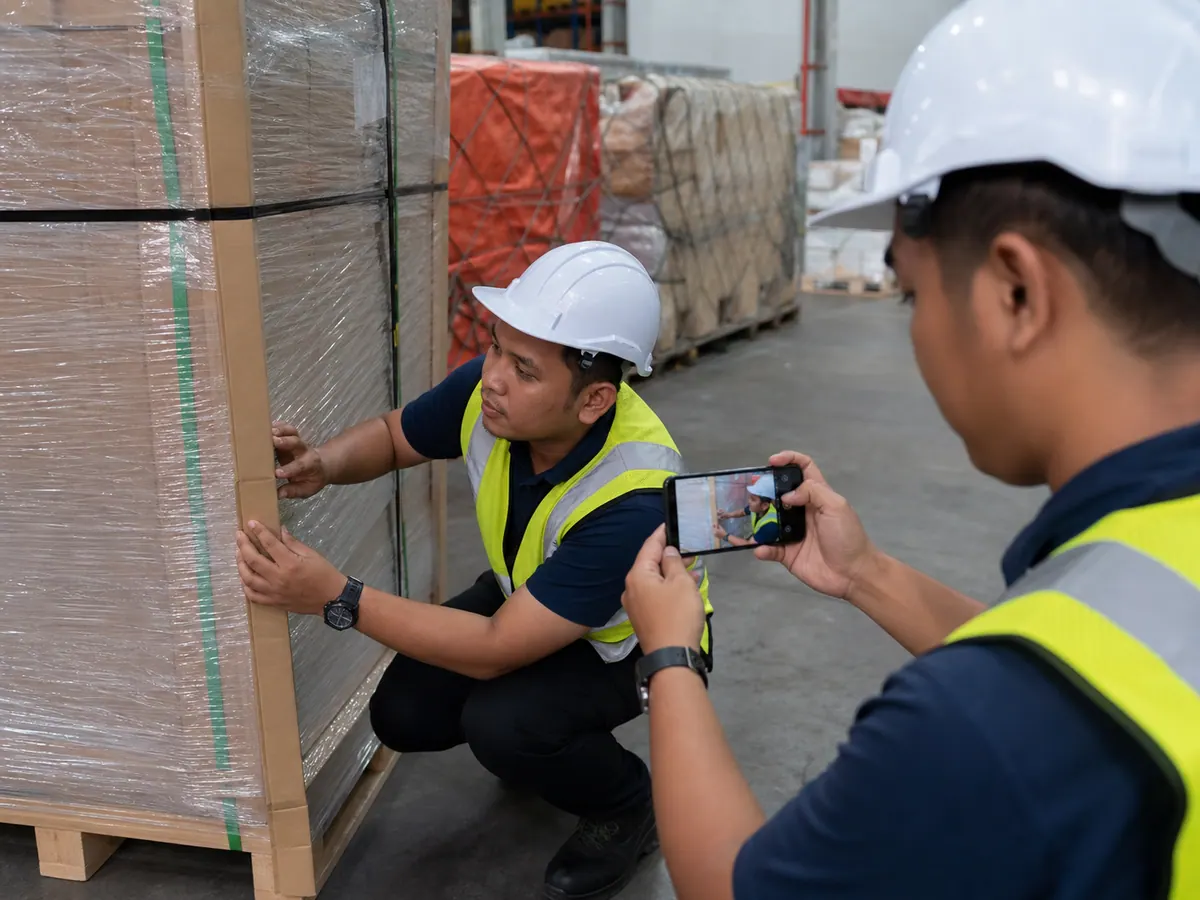
A short visual record reduces follow-up questions and helps separate cargo facts from assumptions.

A package ID, plain description, dimensions, weight and photo for each unit type.

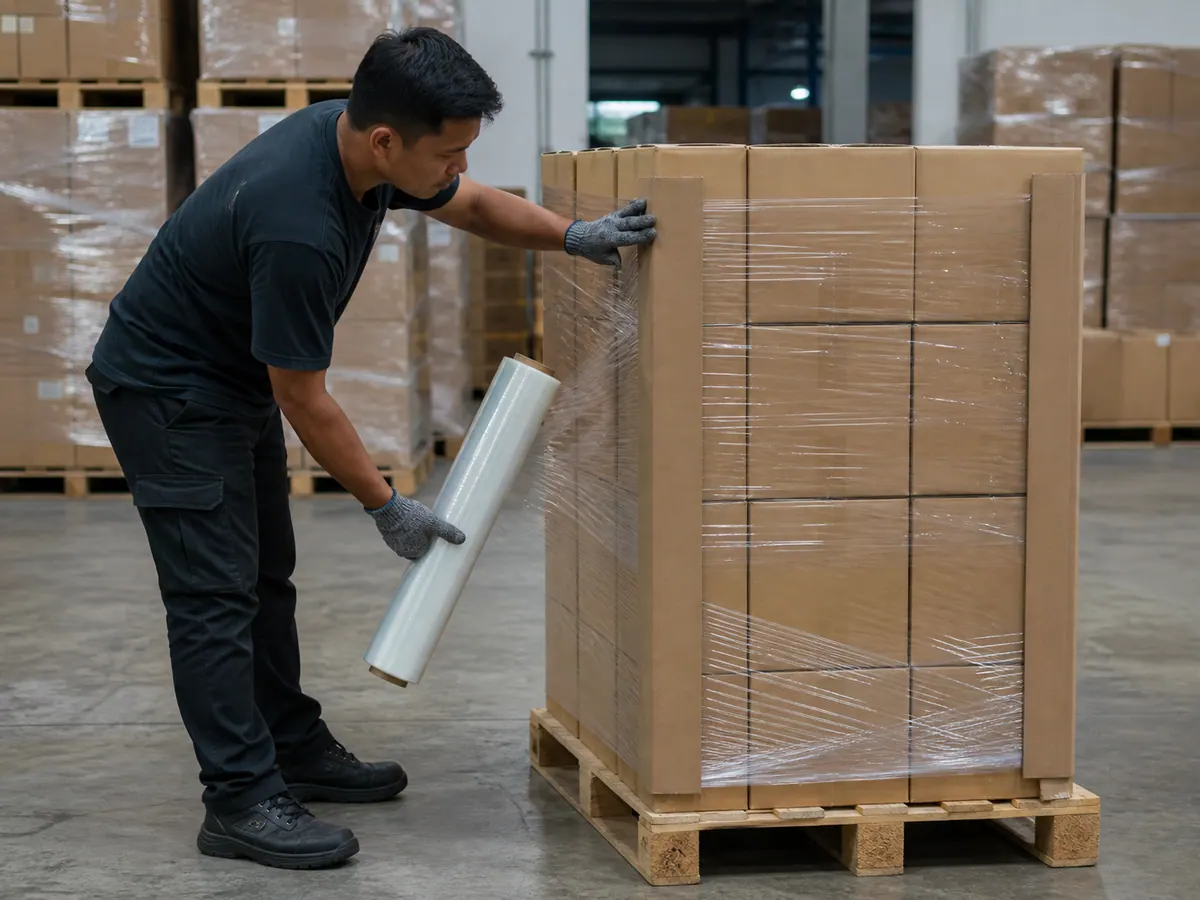
Clear photographs of closed packaging, wrap, straps, corners and unusual handling points.
Origin area, destination area, cargo description, package or pallet count, final packed dimensions, gross weight, photographs and handoff preference.
The estimator multiplies physical volume by RM450 per CBM. The result is an early estimate; actual warehouse measurements determine the recalculated amount.
The measurement and evidence principles are similar, but document, restriction and handling questions may differ.
Use them as planning lenses. A real recommendation still depends on packed volume, weight, cargo type, equipment and route availability.
Not automatically. State the desired handoff scope and obtain explicit confirmation for each land leg.
No. It is an indicative calculator rate. Actual measurements, cargo details, acceptance and operating terms still require verification.


Send the direction, cargo type, package count, packed measurements, weight and handoff preference. Operations can then confirm what is actually available.
WhatsApp number pending